
- APPOINTMENTS: MON-SAT: 09:00 AM - 08:00 PM
- denticaresurat@gmail.com
- 0261 2211481/82/83



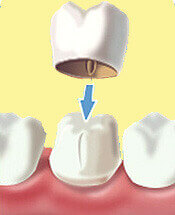
When a tooth is heavily decayed, it is more likely to fracture and lose considerable tooth structure. The greater risk is that a fracture line may extend below the gum margin, making restoration difficult or, in some cases, impossible.
Crowns may be made from several different materials, with gold and porcelain being the most common.
Gold is usually used for back teeth because it offers several advantages over porcelain. Gold is strong even in thin sections, so less natural tooth structure needs to be removed before taking impressions and fitting the crown.
Gold also shrinks less during casting, making it easier for the dental technician to fabricate and polish. Porcelain crowns shrink during casting, requiring the technician to compensate for this during fabrication.
Porcelain is generally used for front teeth because it provides a natural appearance, although it may also be used for back teeth. Some porcelain crowns contain a metal substructure for added strength and support. However, this metal can block light transmission, causing the crown to appear less natural. While this is usually not noticeable on back teeth, it can sometimes affect the appearance of front teeth.
Crowning can also be used to straighten crooked teeth by first performing elective endodontic treatment, reshaping the tooth, and rebuilding it into a more aesthetic form. Cosmetic crowns are commonly fabricated from full-ceramic materials such as Empress®, Procera®, Cercon®, and IPS e.max®.
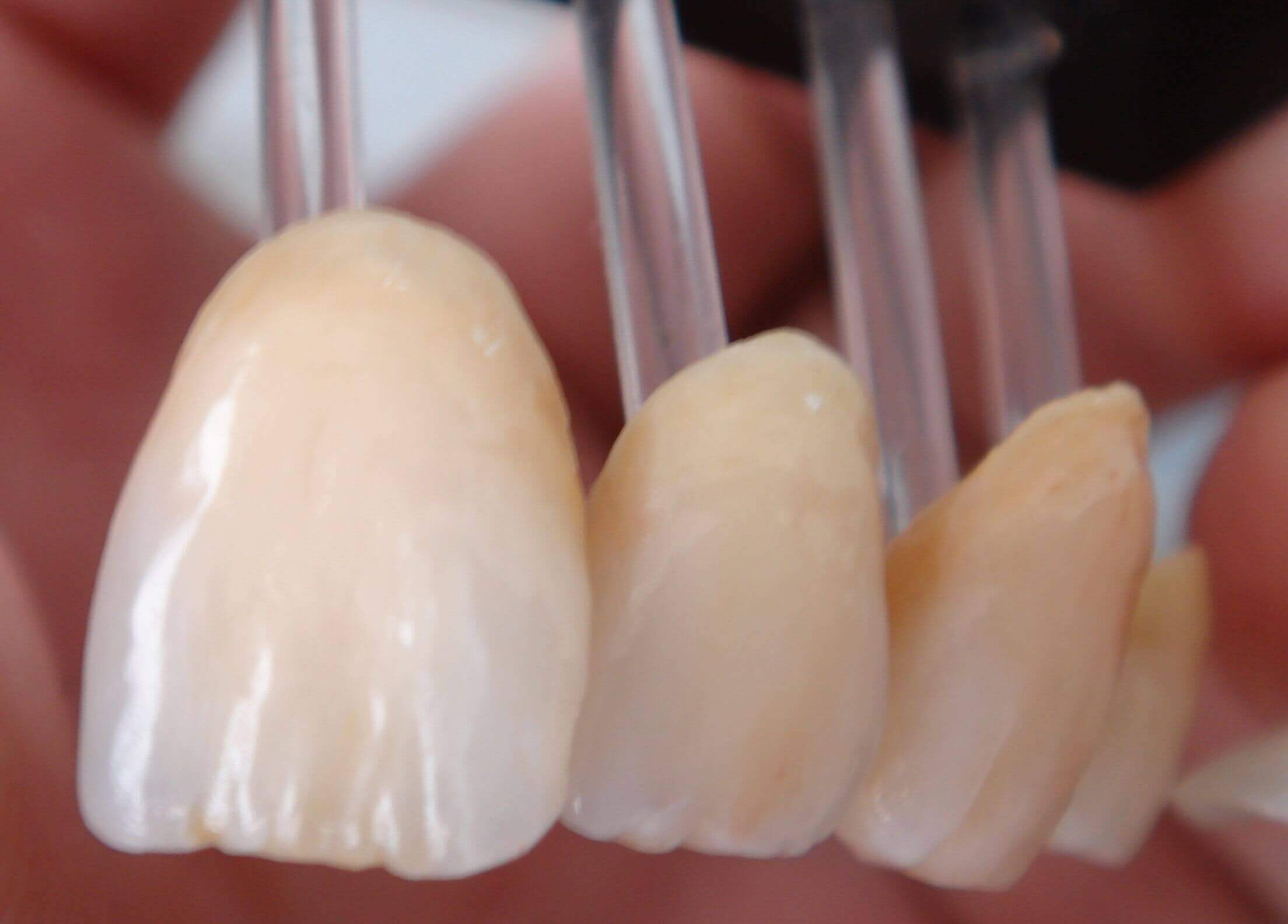
Emax Crowns
Lava Crowns

Zirconia Crowns
NobelProcera: The New World of CAD/CAM Dentistry
NobelProcera is transforming dental prosthetics through advanced computer-aided design and computer-aided manufacturing (CAD/CAM) technology. NobelProcera Zirconia is the ceramic material of choice for strong, highly aesthetic restorations. Zirconia frameworks are available for cement-retained and screw-retained restorations on both natural teeth and implants, from single-unit to multi-unit restorations. Zirconia also offers excellent biocompatibility with significantly reduced plaque and bacterial adhesion.
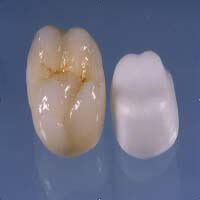
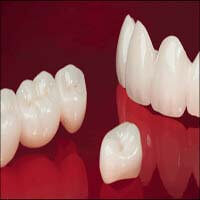
A dental bridge allows the replacement of missing teeth without the use of a denture or dental implant. A false tooth is supported by attaching it to adjacent teeth. The disadvantage is that these neighboring teeth must be prepared similarly to receive crowns. If the adjacent teeth already have crowns or large restorations, this is usually not a concern. When healthy teeth are involved, an acid-etched bridge may be considered, where a fine ledge is prepared on the back surfaces of the adjacent teeth.
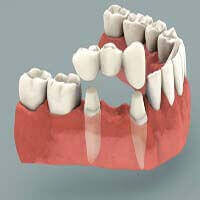
At DentiCare Dental Care Centre, we offer a range of advanced metal-free, CAD/CAM, precision-engineered, and highly aesthetic crown and bridge solutions for replacing missing teeth, ensuring strength, durability, and high patient satisfaction.
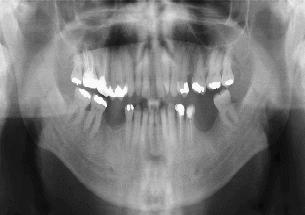
Before
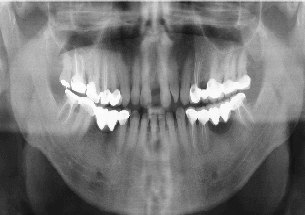
After